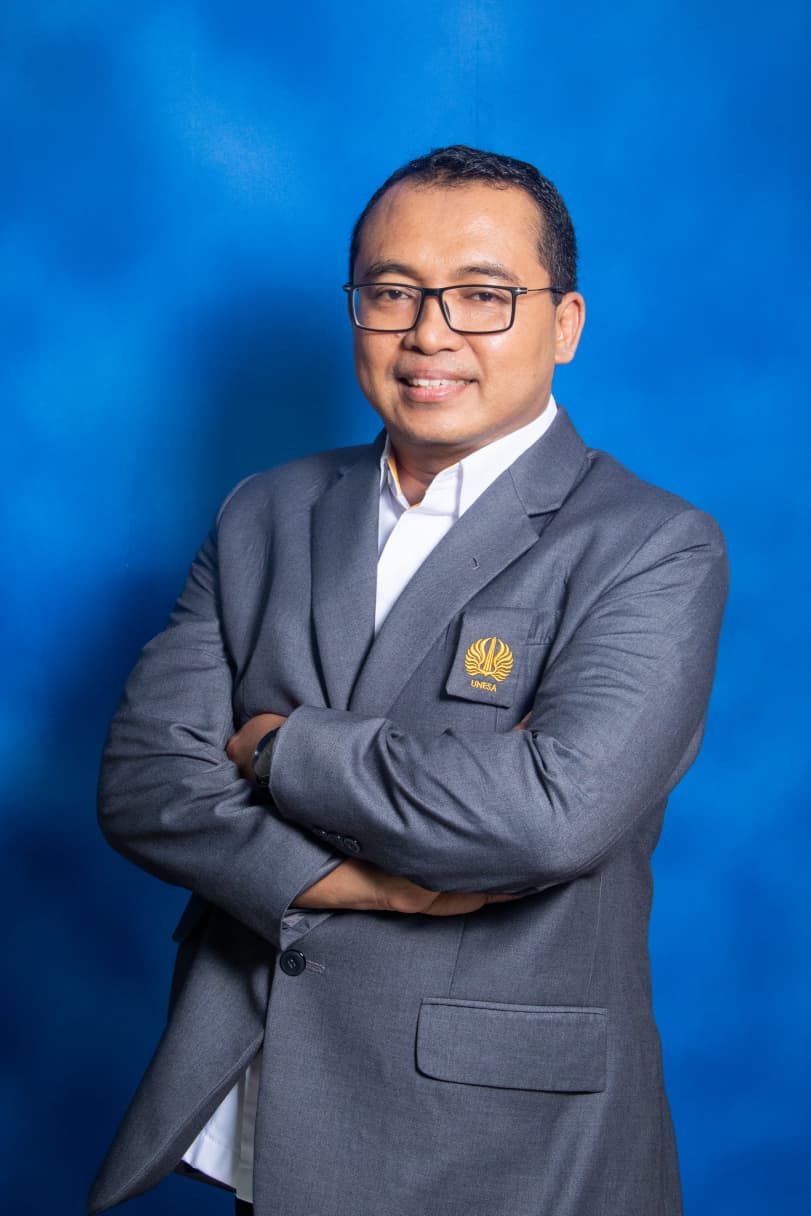
Dr. Ali Mustofa, S.S., M.Pd.
Koordinator Program Studi S1 Sastra Inggris.
Sociology of Literature
Literary sociology studies the moral values found in literary works (prose, poetry, drama) and other cultural artifacts (films, songs, social media), and how these values serve as lessons for society. It also examines dominant ideologies—such as gender, social structure, economy, politics, power, education, and sexuality—reflected in these works, whether to reinforce or criticize them.
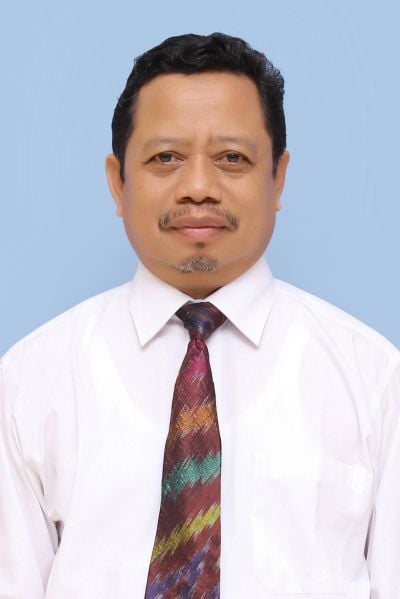
Prof. Slamet Setiawan, M.A., Ph.D.
Sociolinguistics
Sociolinguistics studies the relationship between language and society. Sociolinguistics examines how social factors such as social status, age, gender, and social class influence a person's use of language. This study also covers how language changes and varies in different social contexts.
Google Scholar
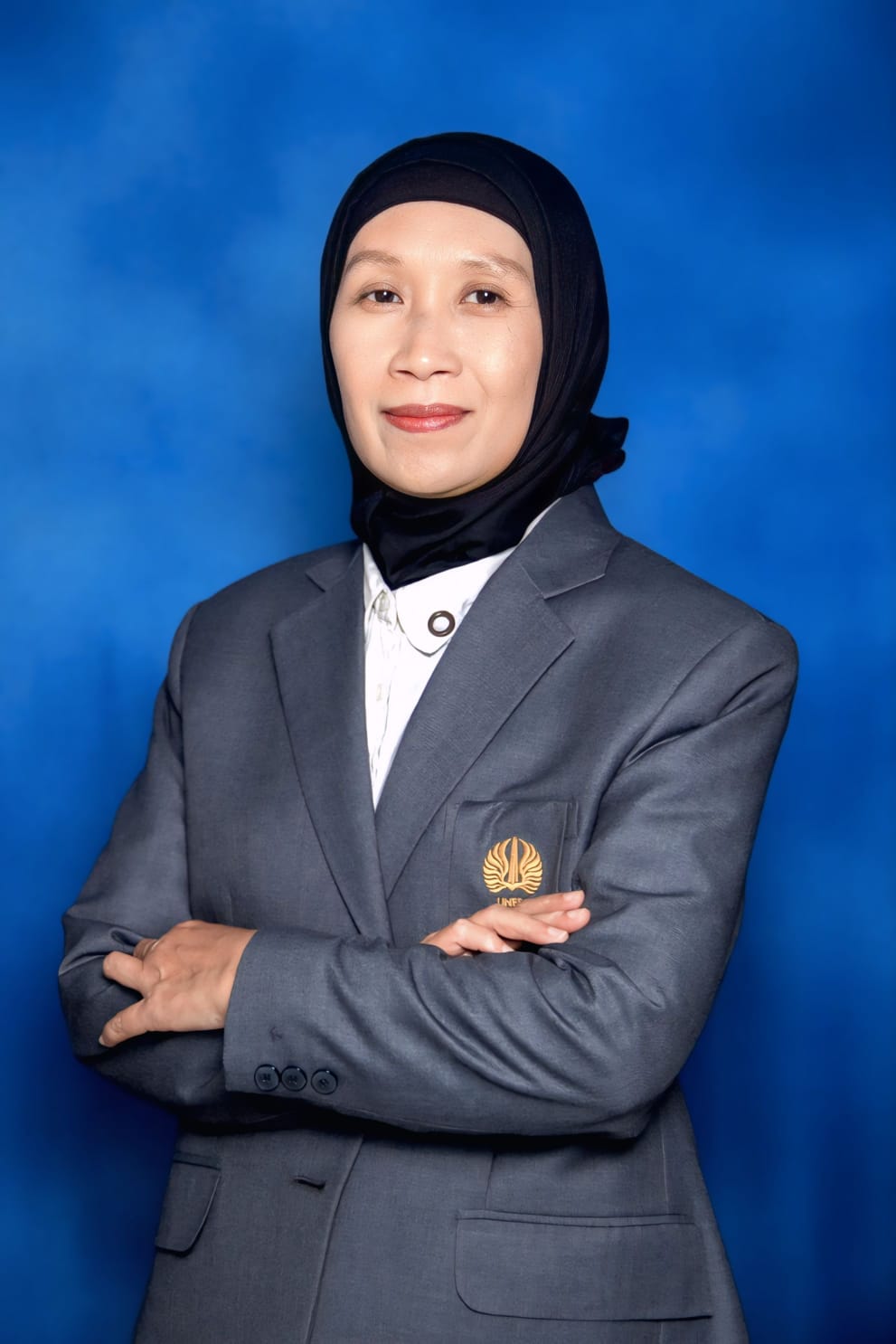
Prof. Dra. Pratiwi Retnaningdyah, M.Hum., M.A., Ph.D.
Literature and Cultural Studies
Literature and Culture Studies studies various aspects of literature and culture, including literary theory, literary history, literary text analysis, and the relationship between literature and culture. In addition, this study also covers the study of various forms of culture such as performing arts, traditions, customs, and how culture is influenced by factors such as gender, ecology, and technology.
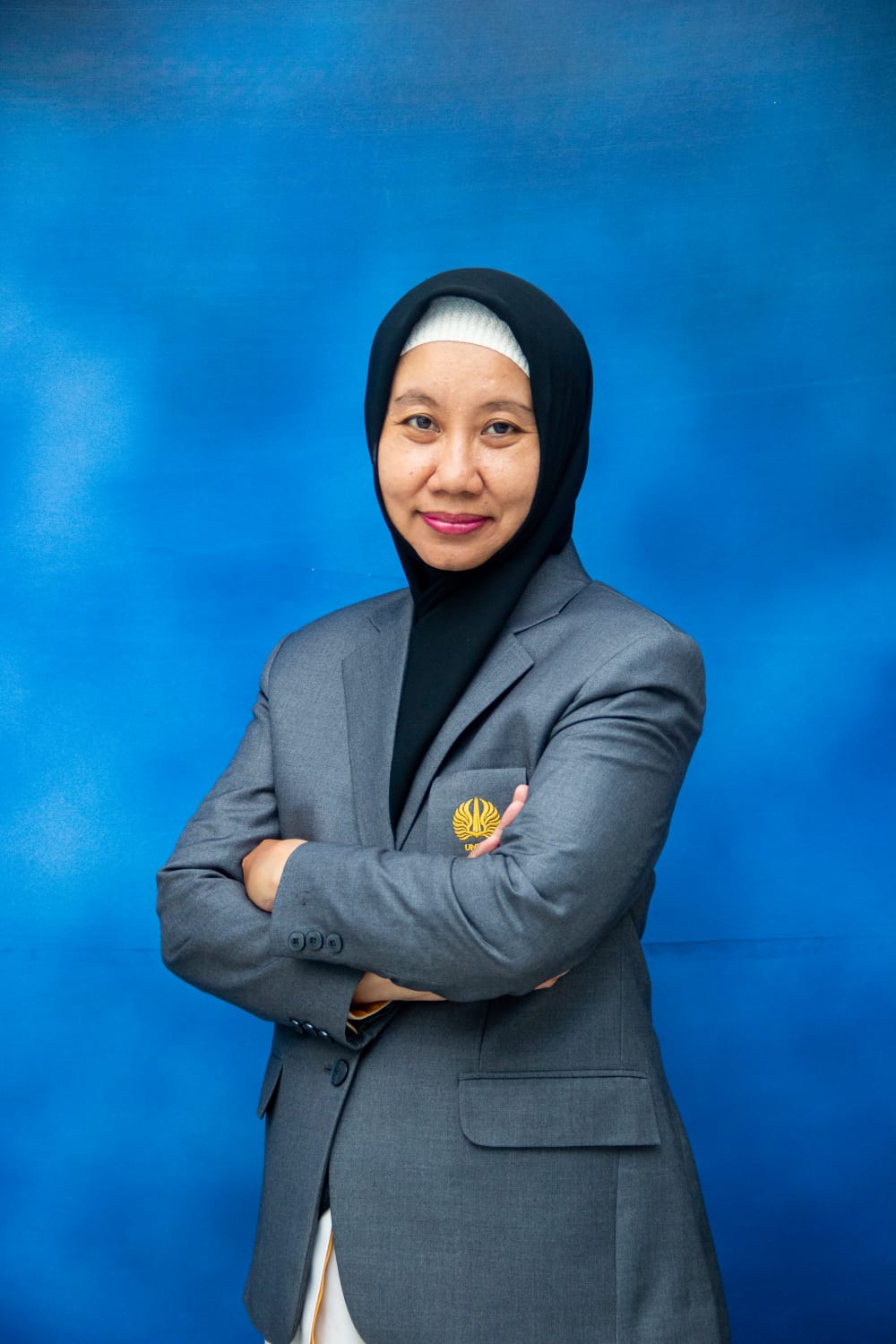
Dr. Widyastuti, S.S., M.Pd
Corpus-based Translation
Corpus-based translation focuses on analyzing digital texts from online sources or e-books, emphasizing lexical, syntactic, and pragmatic aspects, as well as genre conventions. Using corpora, students explore translation norms, interference, cohesion, and coherence, while developing critical awareness of how language patterns shape meaning and style in translation.
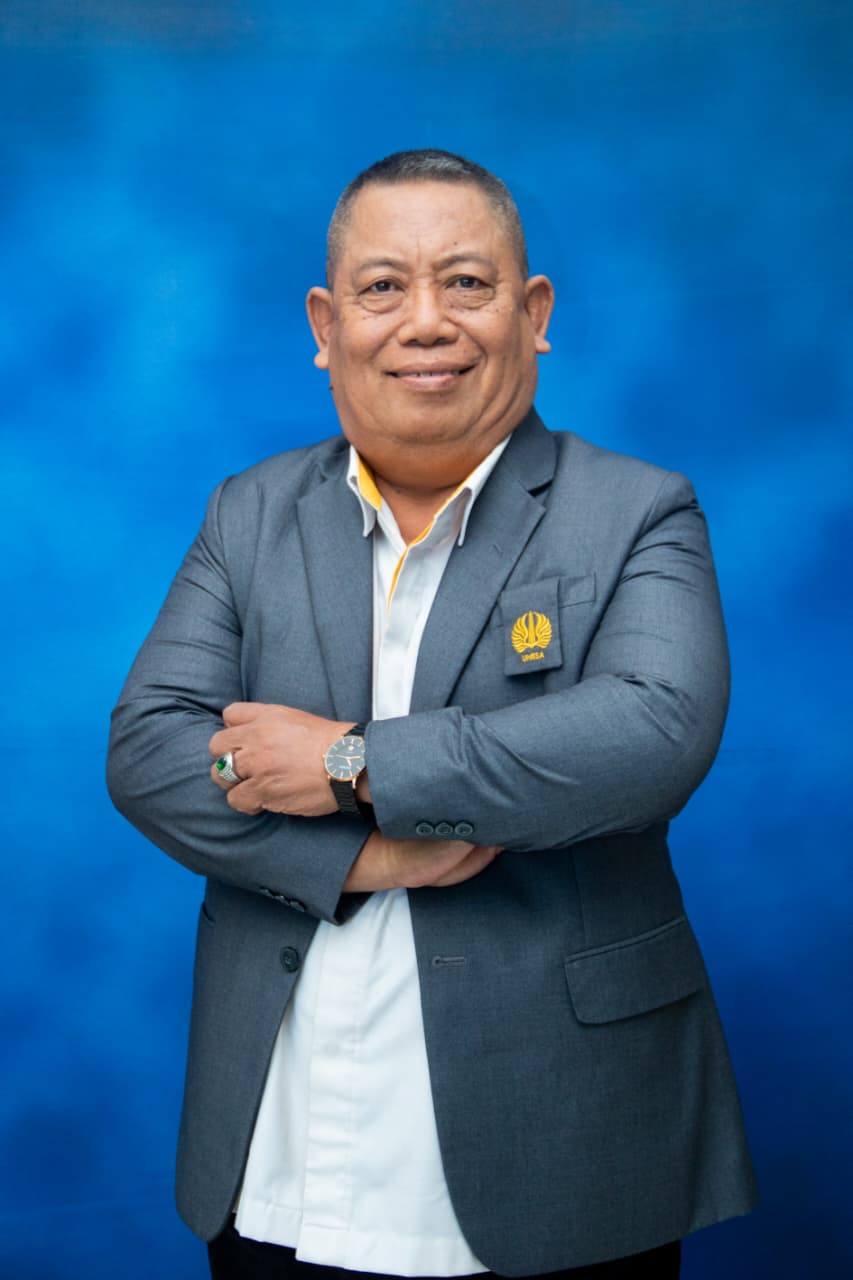
Dr. Much. Koiri, M.Si.
Creative Writing
Creative Writing Studies studying and mastering the processes, elements, and techniques of creative writing in various genres—such as fiction, poetry, creative nonfiction, autofiction, and flash fiction, and so on—as well as an introduction to the basic theories of editing, publishing, and literary analysis within the framework of creative culture.
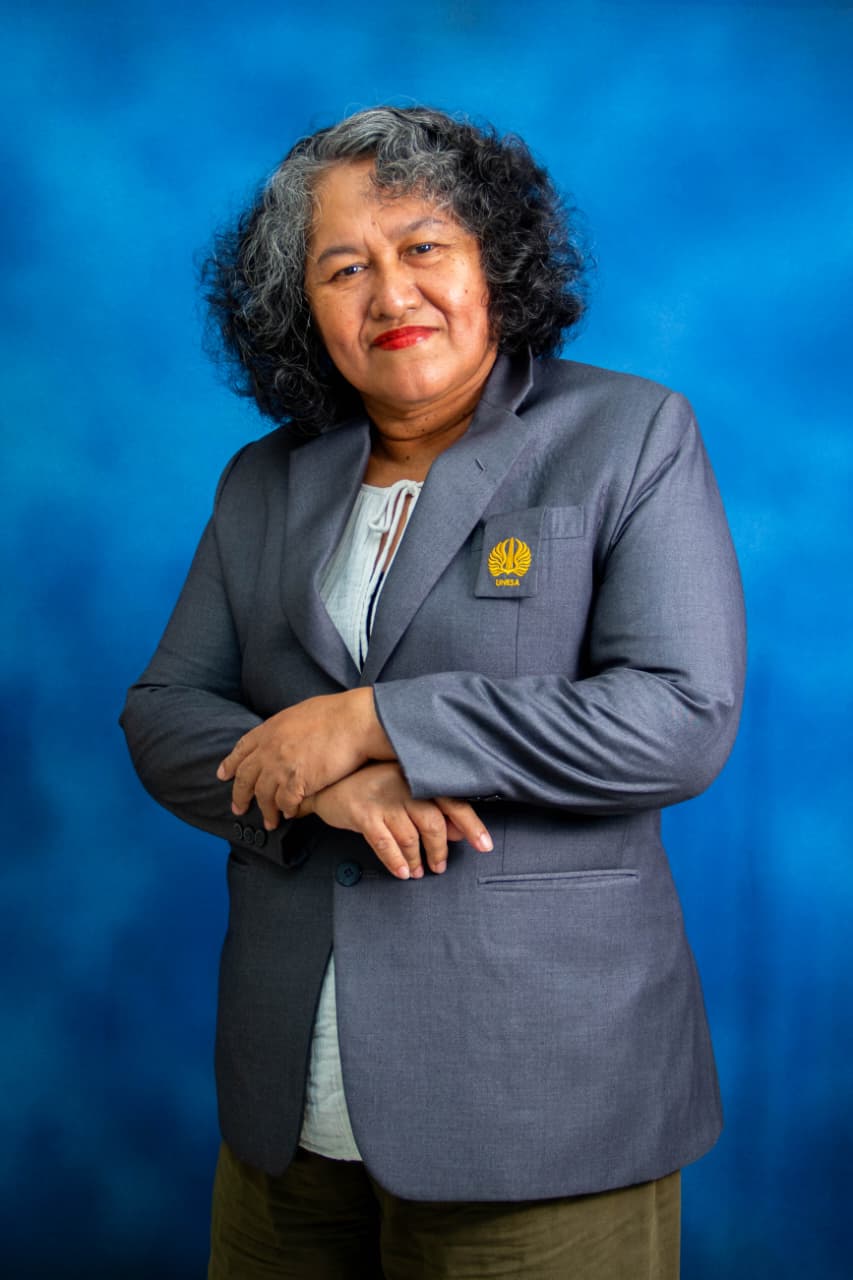
Diana Budi Darma, S.S., M.Pd.
Children's Literature
Children's literature as an academic discipline is an interdisciplinary field of study that critically examines literary works aimed at or associated with children and young readers. This field combines literary studies, education, psychology, cultural studies, history, and sociology to analyze how texts shape, reflect, and influence childhood, identity, and society.
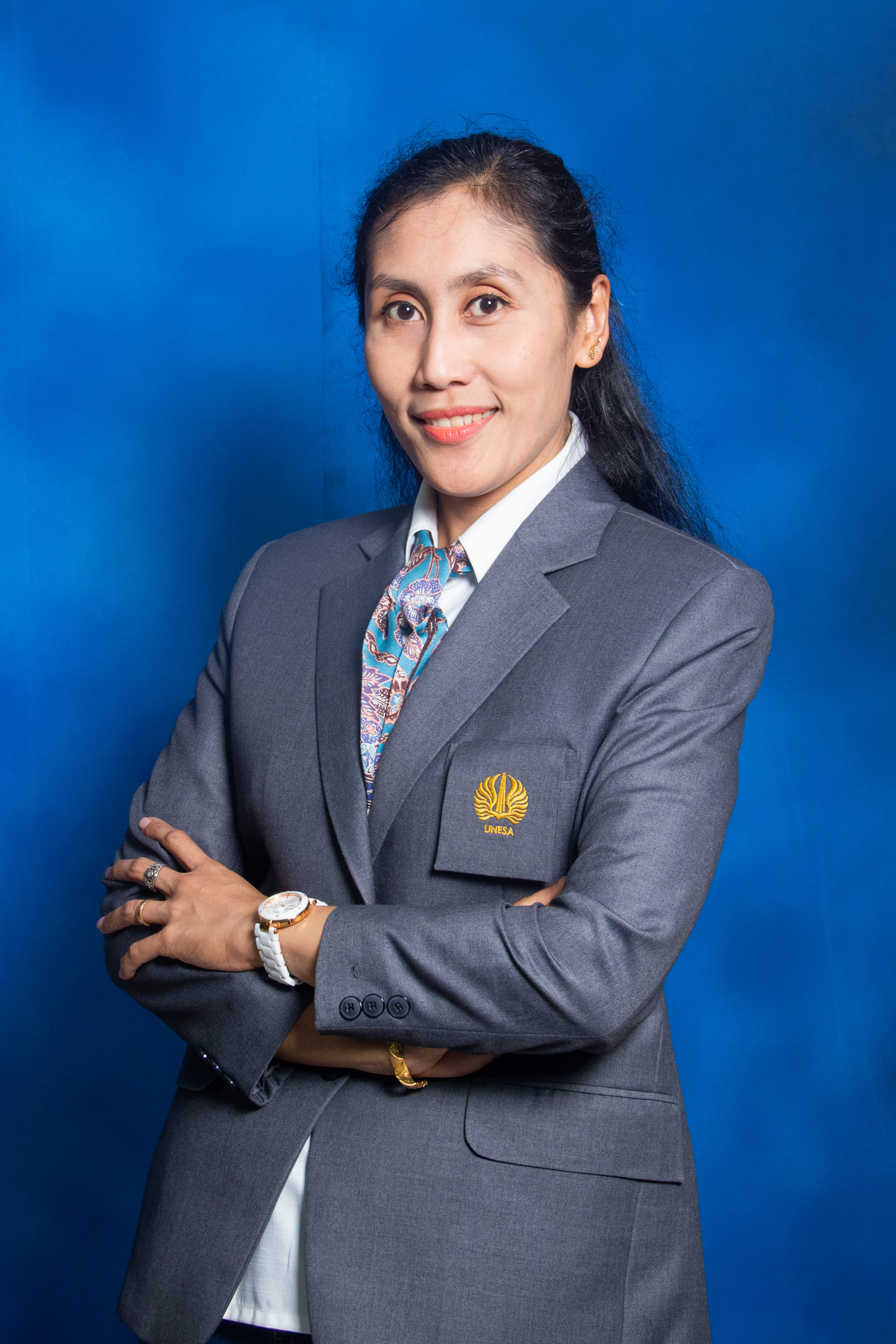
Lina Purwaning Hartanti, S.Pd., M.EIL.
Bilingualism / Multilingualism
Bilingualism and multilingualism study a person's abilityto use two or more languages (multilingualism) or two languages (bilingualism). This covers various aspects. Understanding the differences between bilingualism and multilingualism, as well as various levels of language proficiency (e.g., bilingual, multilingual, trilingual, and monolingual). Essentially, understanding bilingualism/multilingualism is closely related to sociolinguistics.
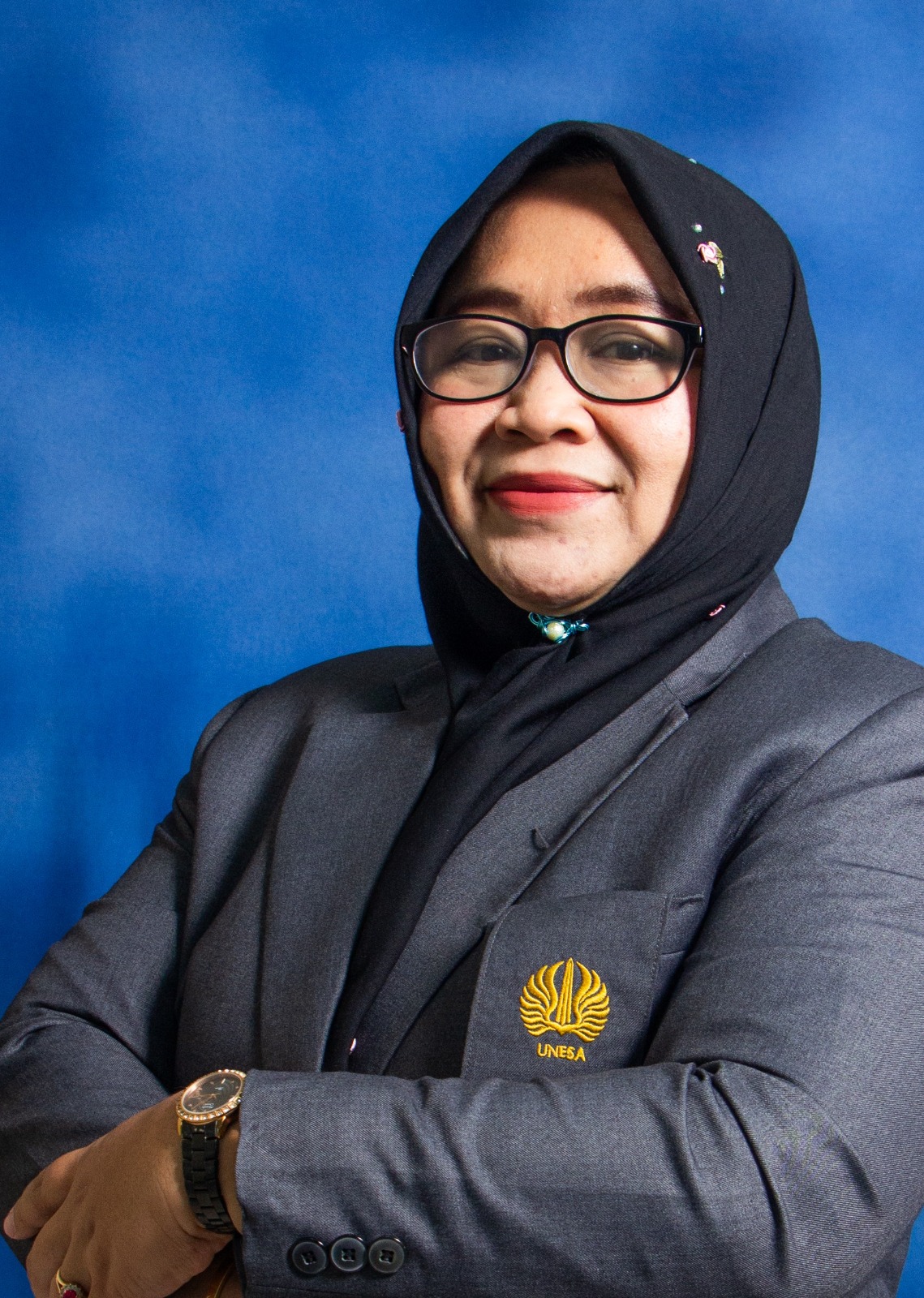
Lisetyo Ariyanti, S.S., M.Pd.
Interlanguage Pragmatics and Media Discourse
Lisetyo Ariyanti is a lecturer and researcher in English linguistics with expertise in pragmatics, discourse analysis, and gender studies. Her research primarily investigates how meaning is constructed and negotiated through language across diverse communicative contexts, including political speeches, advertisements, digital media, films, social media, and intercultural communication. Drawing on pragmatic theories such as speech acts, presupposition, politeness, conversational strategies, and implicature, she explores the relationship between language, power, identity, and social values
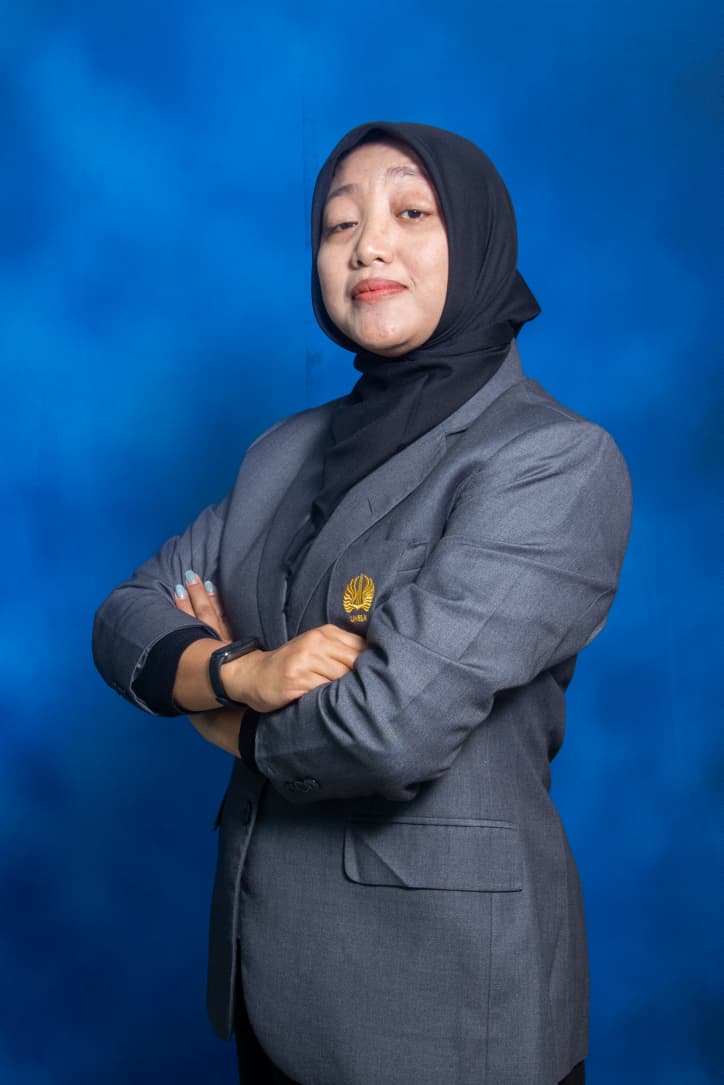
Ayunita Leliana, S.S., M.Pd.
Microlinguistics
Microlinguistics studies the internal structure of language and its various aspects. This field focuses on the structure of language itself, such as sounds, word forms, sentence structure, and meaning. The main subdisciplines in microlinguistics include phonology, morphology, syntax, and semantics.
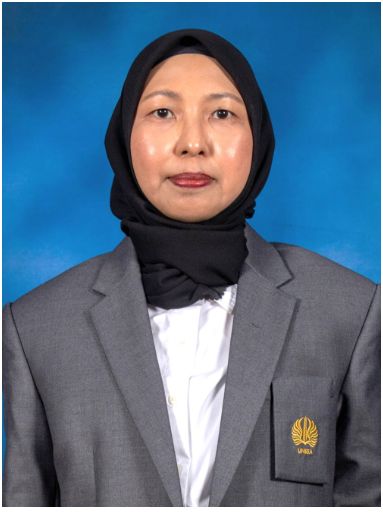
Dr. Dian Rivia Himmawati, S.S., M.Hum.
Digital Media Discourse Analysis
Discourse Analysis Digital Media studies text, images, videos, or multimodal content that appears on digital platforms (social media, blogs, websites, messaging apps, etc.) to understand how meaning is constructed, how ideas and ideologies are disseminated, and how social interactions and identities are produced and presented.
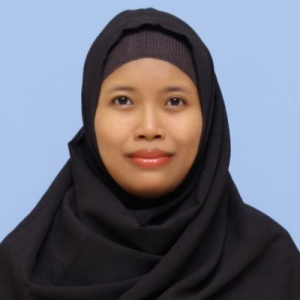
Mamik Tri Wedawati, S.S., M.Pd.
Literary Anthropology
applying anthropological theories, methods, and insights to analyze literature. This field examines how to understand a culture (human/social attitudes and behavior) through literature. The focus of the study is on cultural elements (values, beliefs, norms), ethnicity and identity, customs, myths, legends, power and authority, religion, language, and social change in society as found in literary works.
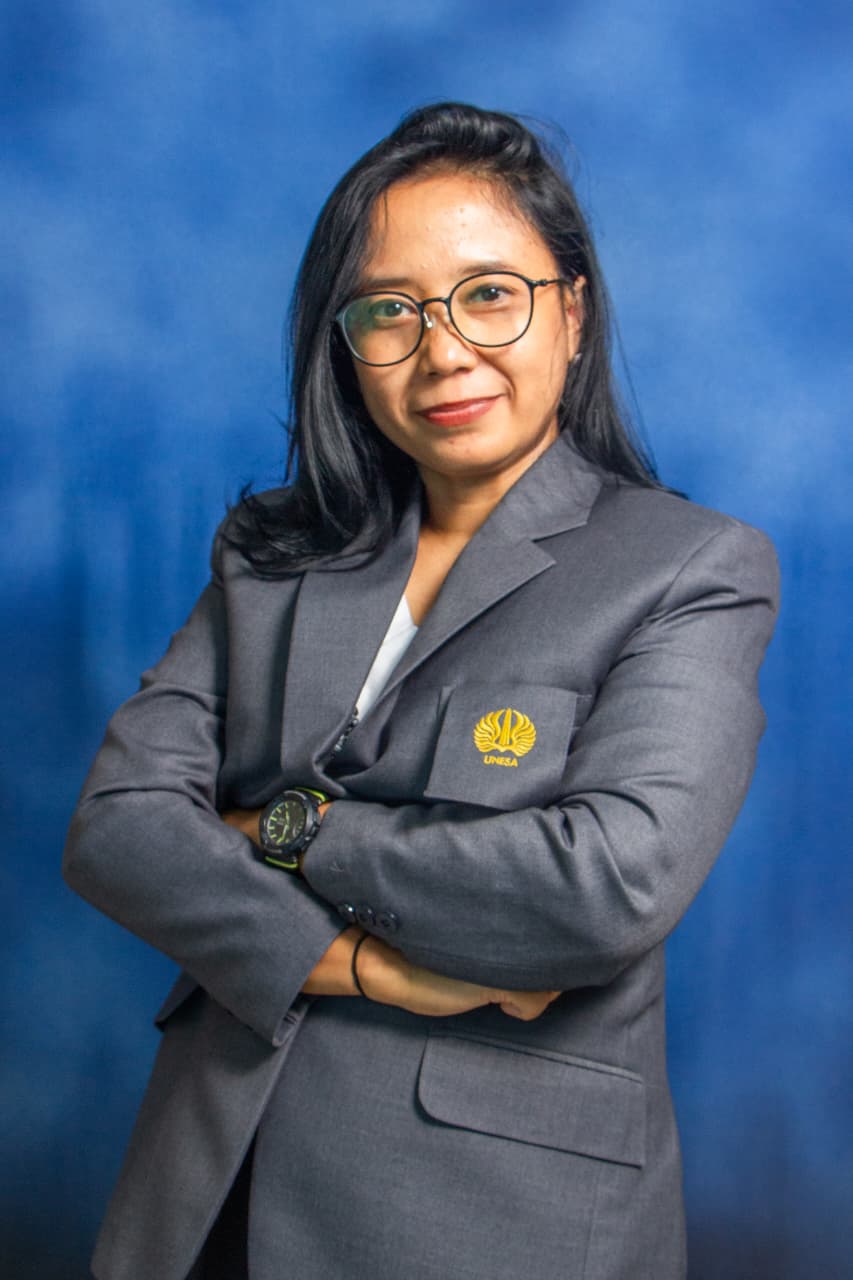
Hujuala Rika Ayu, S.S., M.A.
Postcolonial Studies
Postcolonial Studies examine the impact of colonialism and imperialism on various aspects of life, including culture, identity, and society, even after the end of the colonial era. These studies focus on how the colonial legacy affects life today and examine relationships of power, representation, and resistance.

Dr. Fithriyah Inda Nur Abida, S.S., M.Pd
Sociopragmatics
Sociopragmatics studies how social context influences language use and how language is used to convey social meaningin interactions. It combines elements of sociolinguistics and pragmatics, focusing on the relationship between language, society, and social context.
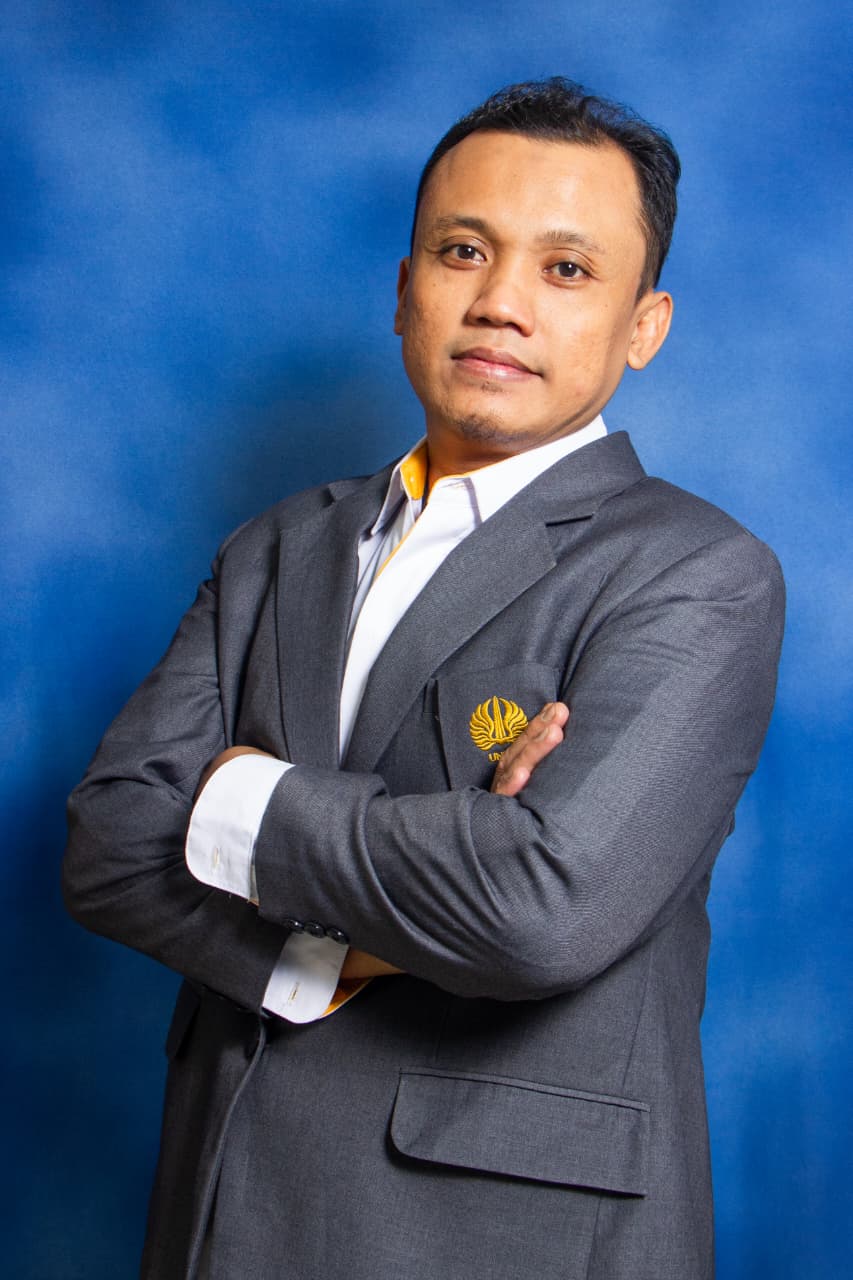
Adam Damanhuri, S.S., M.Hum.
Anthropological Linguistics
Anthropological linguistics studies language in a cultural context, how language influences and is shaped by culture, and how language is used in various aspects of human social life. This includes the study of how language shapes identity, influences social relationships, and plays a role in cultural change.
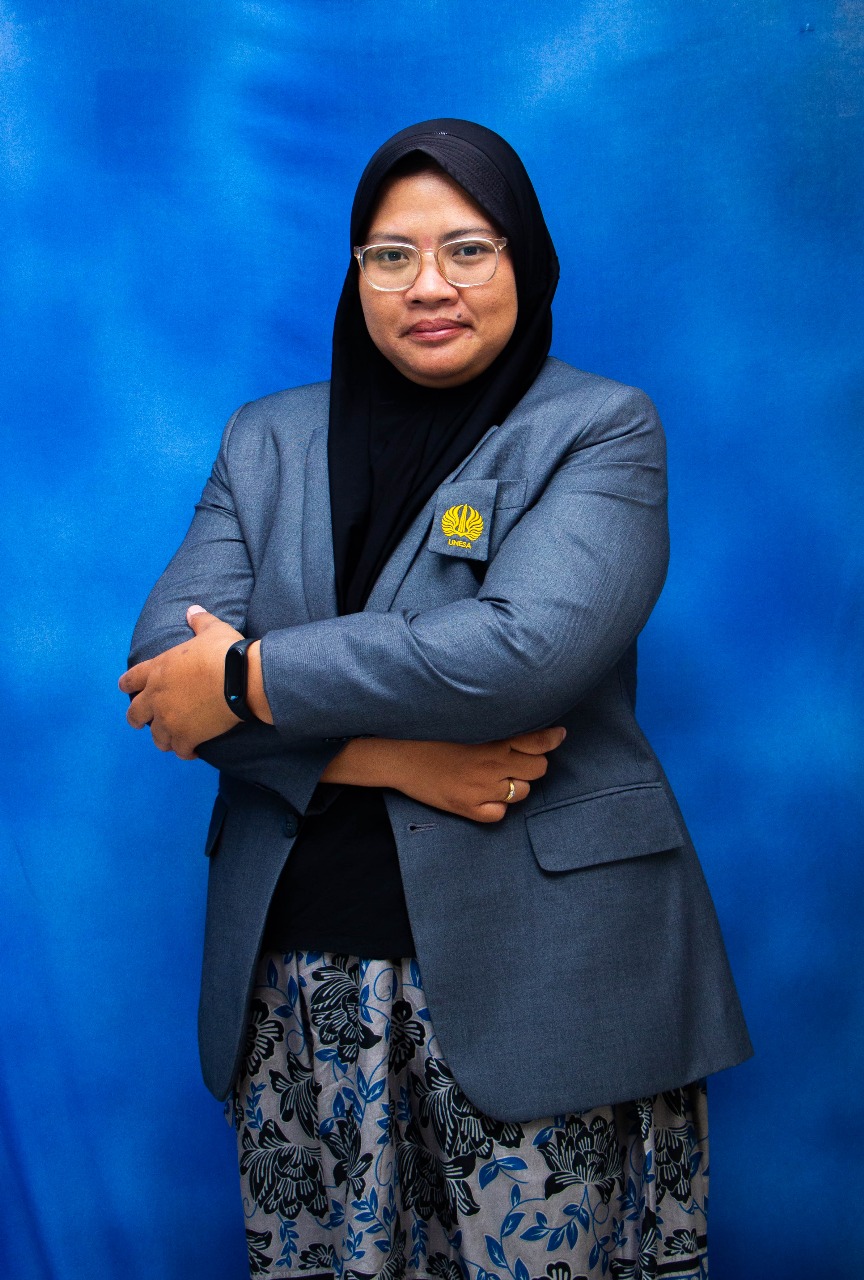
Dwi Nur Cahyani Sri Kusumaningtyas, S.S., M.Hum
Psychoanalytic Studies
Psychoanalysis, developed by Sigmund Freud, studies various aspects of human personality and behavior, primarily through the unconscious approach. This study covers personality structure (id, ego, superego), personality dynamics (distribution of psychic energy), ego defense mechanisms, stages of personality development, and psychoanalytic therapy techniques.
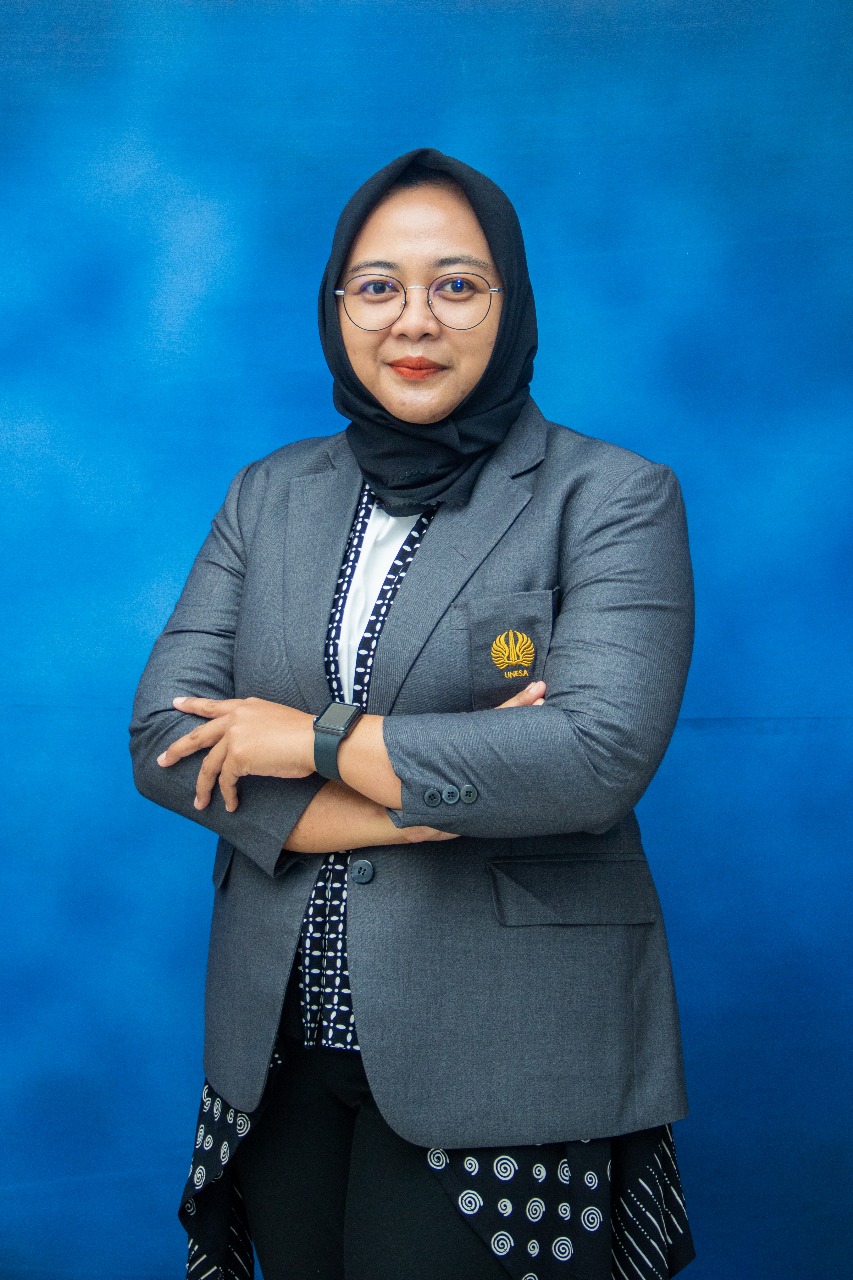
Laily Maulida Septiana Harti, S.S., M.AppLing.
Multimodal Critical Discourse Analysis
Critical discourse analysis multimodal is a dynamic approach to qualitative data analysis that extends critical discourse analysis to include various modes of communication—such as images, graphics, videos, and sound/music—into the semiotic analysis of ideology and power relations in contemporary forms.
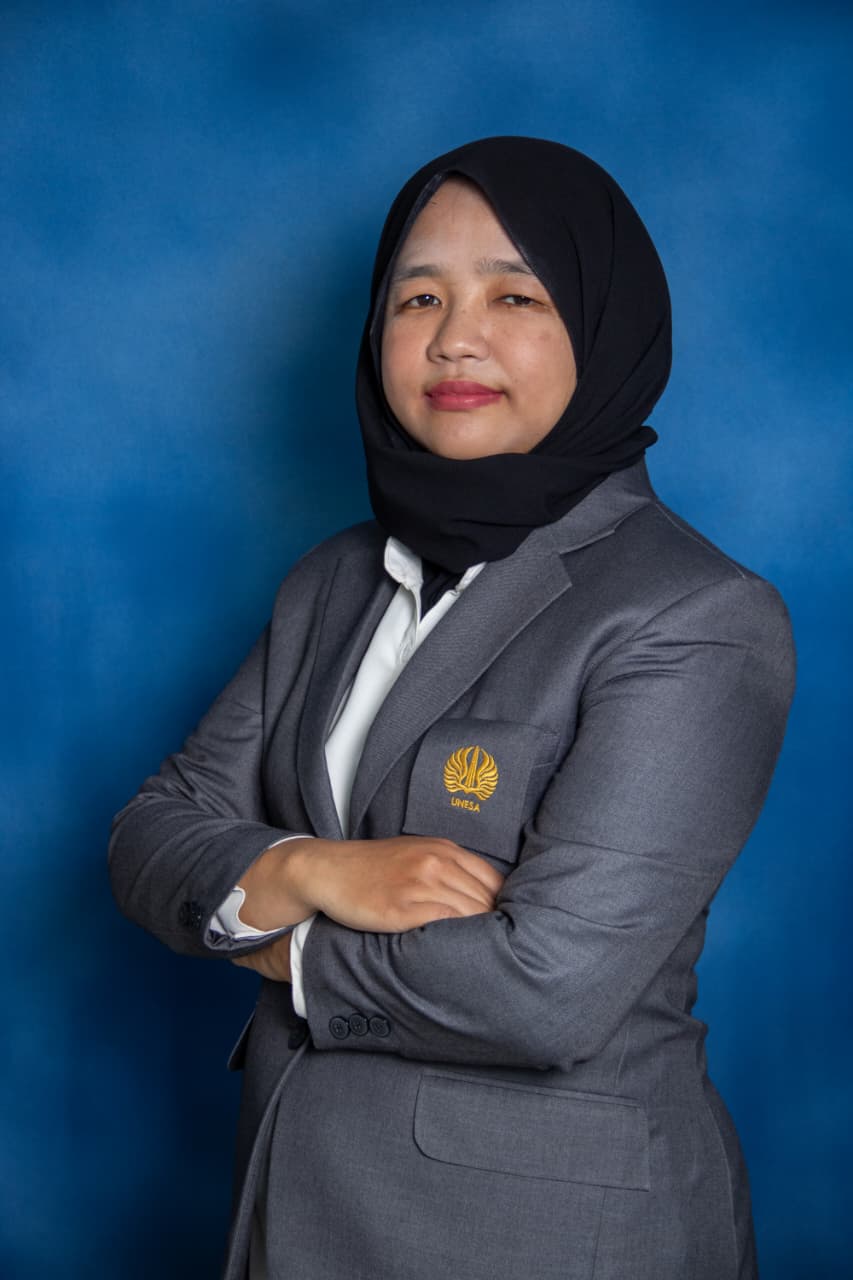
Silvy Cinthia Adelia, S.S., M.A.
Media Studies
Media studies explore how popular media—like social media, TV, games, comics, and animation—shape people’s views of themselves, others, and everyday life. The focus is on media representations and how audiences respond to them, using approaches such as content and visual analysis. Media are seen not just as entertainment, but as an essential part of social and cultural life.
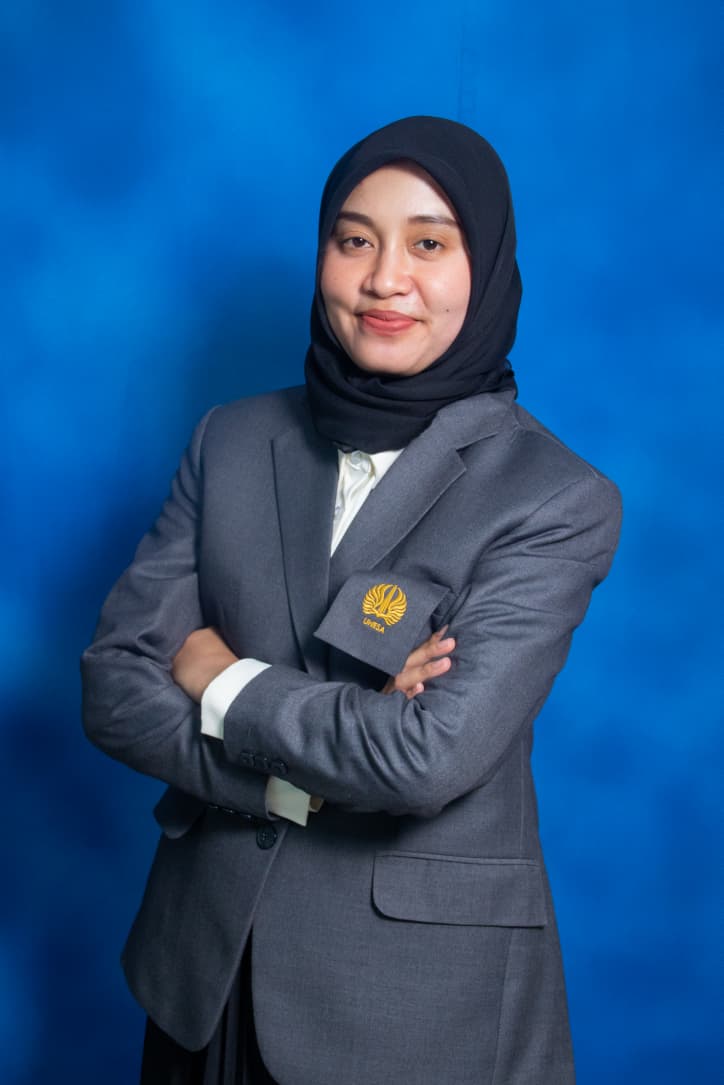
Ephrilia Noor Fitriana, S.Hum., M.Hum.
Gender Studies in Literature and Culture
Gender studies in literature and culture examine how gender is constructed, represented, and negotiated in texts and practices. Cultural studies focus on media and social practices, while literary studies explore how works reinforce or challenge patriarchy through feminist and performativity theories. This field also applies postcolonial and intersectional perspectives to reveal links between gender, colonial legacies, race, class, religion, and ethnicity.
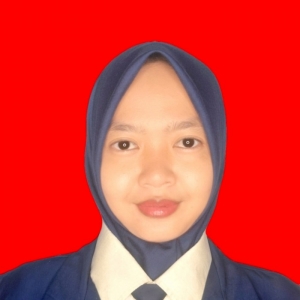
Uci Elly Kholidah, S.S., M.A.
Trauma and Memory Studies
Trauma and Memory Studies studies how traumatic experiences—both individual and collective—are remembered, expressed, and passed down through literature, film, and culture. This field equips students to analyze traces of trauma in narratives, understand the process of memory inheritance (postmemory), and the role of art and memorialization in individual and community recovery.
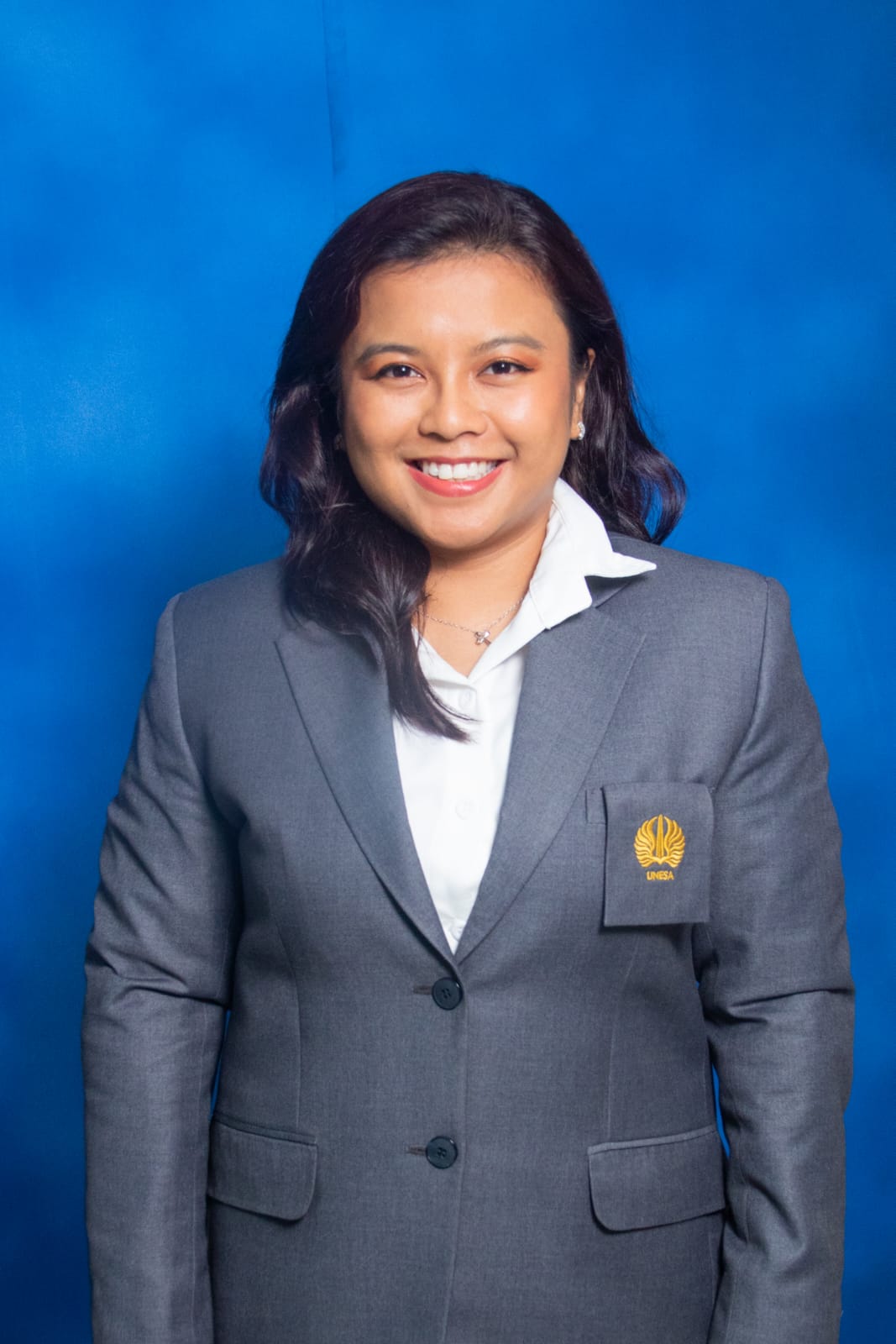
Cicilia Deandra Maya Putri, S.Hum., M.A.
The Development of Bilingualism
bilingualism, or the ability to use two languages, studies various aspects related to the use of two or more languages. This includes understanding how the first and second languages interact in a person's mind, how the two languages affect cognition, and how bilingualism affects social interaction and identity.
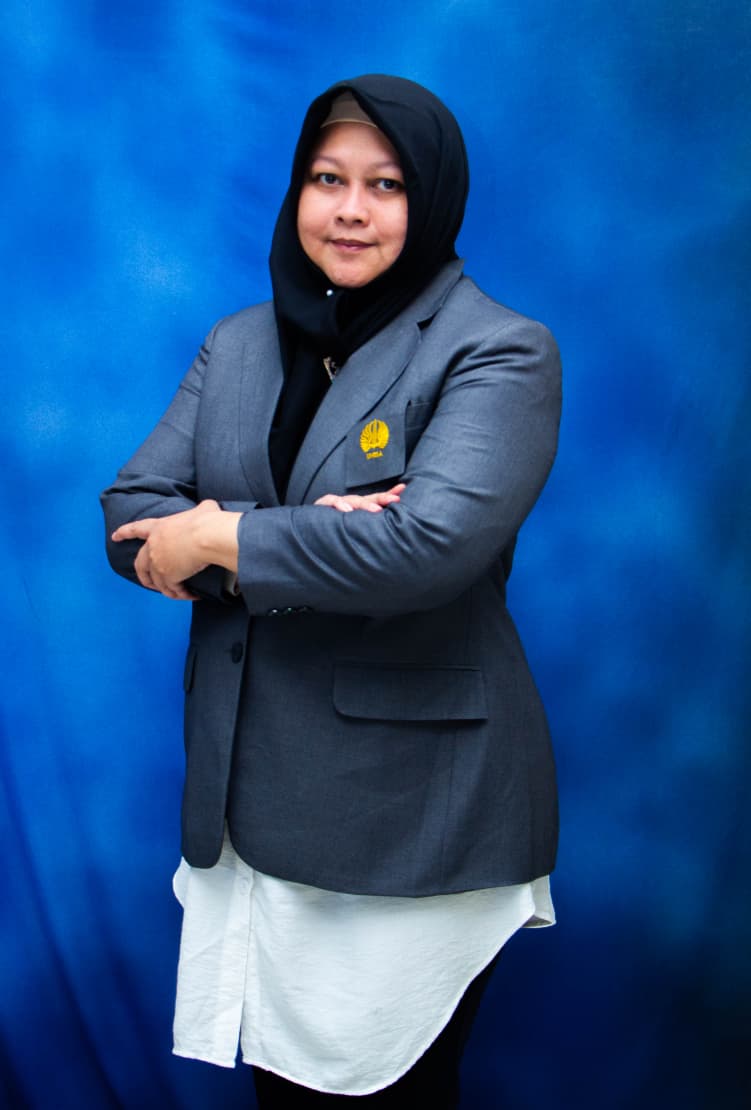
Kenya Permata Kusumadewi, S.S., M.Pd.
Kenya Permata Kusumadewi, S.S., M.Pd.
Halo semuanya, saya dosen di Sastra Inggris.
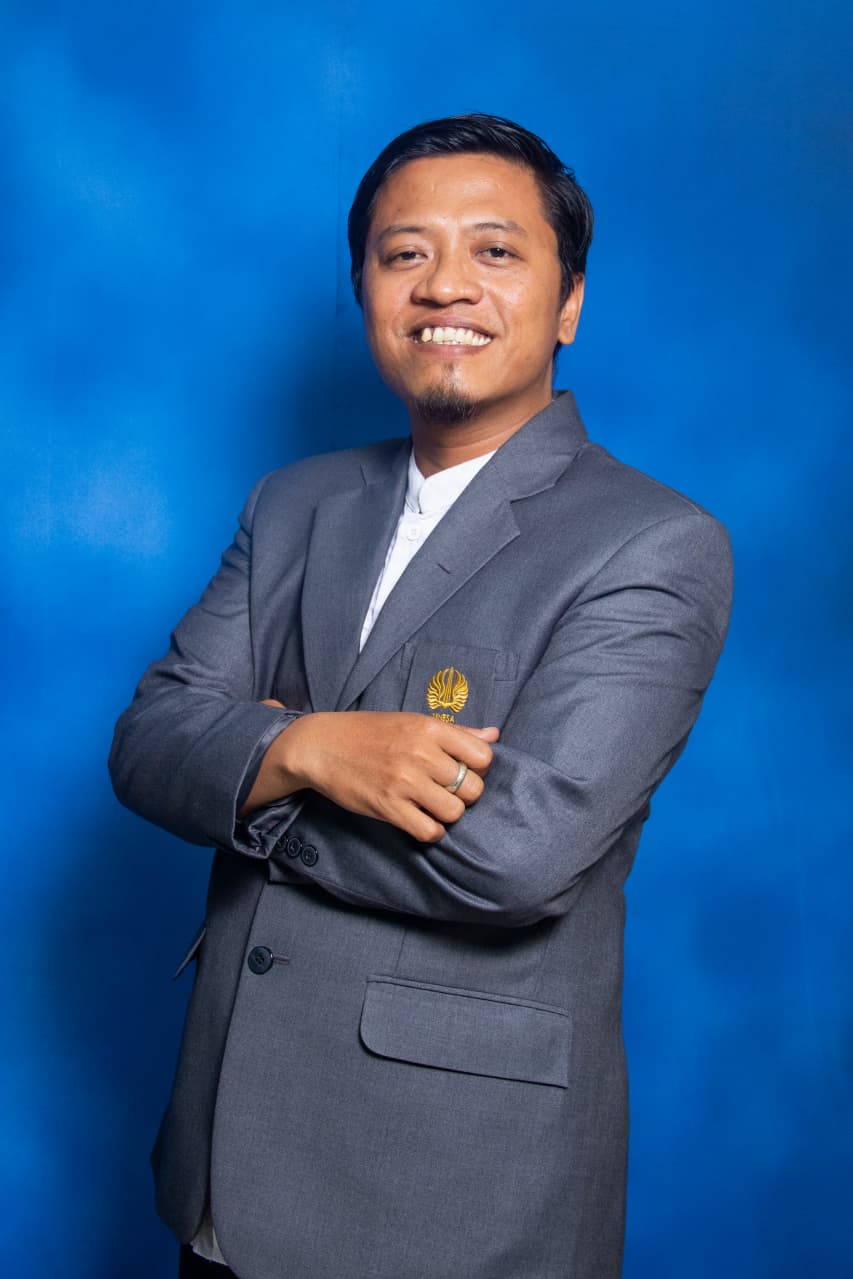
Fariq Shiddiq Tasaufy, S.S., M.Hum.
Systemic Functional Multimodal Analysis
Systemic Multimodal Linguistic Discourse Analysis (AW LSM) studies how meaning is formed through various modes of communication, not just language. It involves analyzing how text, images, sound, layout, and other semiotic elements work together to create meaning in various contexts, such as advertising, social media, and face-to-face communication.
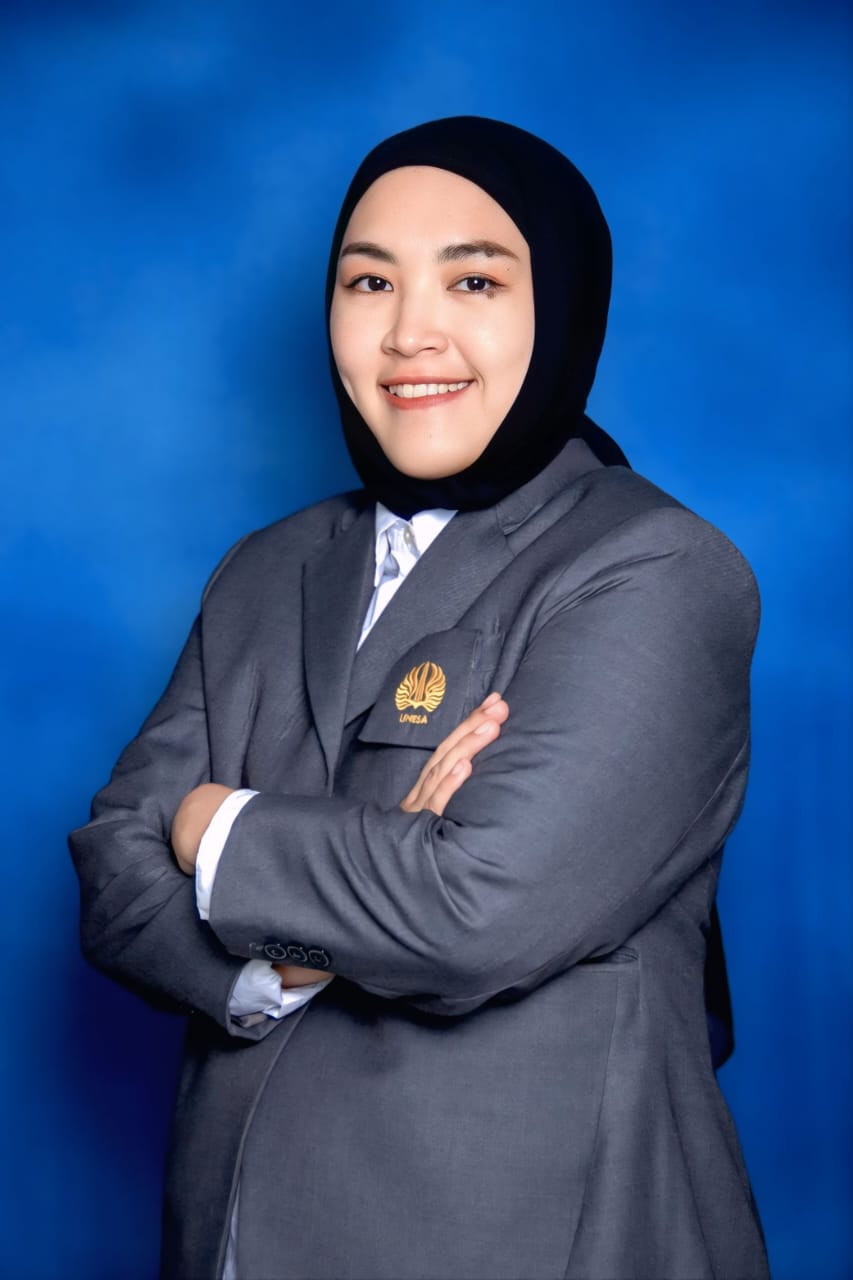
Ayu Saraswati, M.Hum.
Digital Humanities and Multiculturalism
Multicultural Studies and Film examines how films represent and build understanding of culture, identity, and differences in multicultural societies. This study includes analysis of how films portray stereotypes, social issues, and multicultural values such as tolerance, appreciation of diversity, and equality. In addition, it also examines the role of film as a vehicle for education and shaping public opinion on multicultural issues.
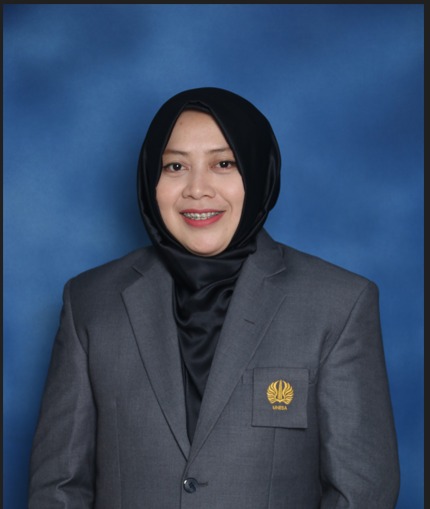
Dr. Zulidyana Dwi Rusnalasari, M.Hum.
Semiotics and Gastronomy Studies
Semiotics in literature interprets texts as systems of signs that construct identity and convey ideology, showing literature as both representation and a site of power discourse. Gastronomy in cultural studies views food as a symbol of identity and ideology, where recipes and practices reflect history and traditions, while food narratives express values, status, and politics, making cuisine a medium of self-representation and social meaning.
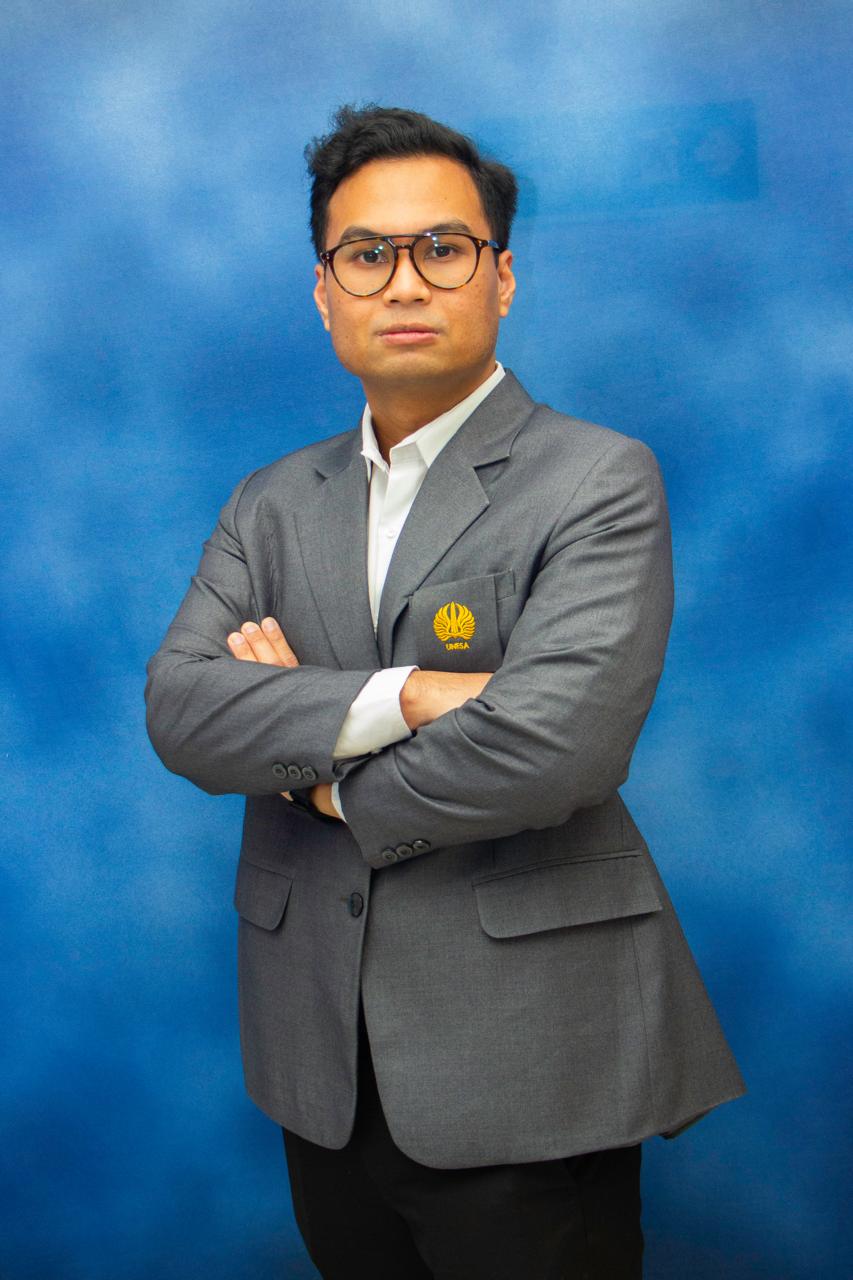
Muhammad Andrean Syahsurya, S.Pd., M.A.
Discourse Analysis
my research centers on corpus-based discourse analysis, examining language patterns across literary, media, and everyday texts through the integration of computational tools and discourse theory. Combining quantitative corpus methods with qualitative textual interpretation, this work explores how meaning, ideology, and identity are constructed through language use, contributing to the growing intersection between language, politics, youth culture and discourse studies.
